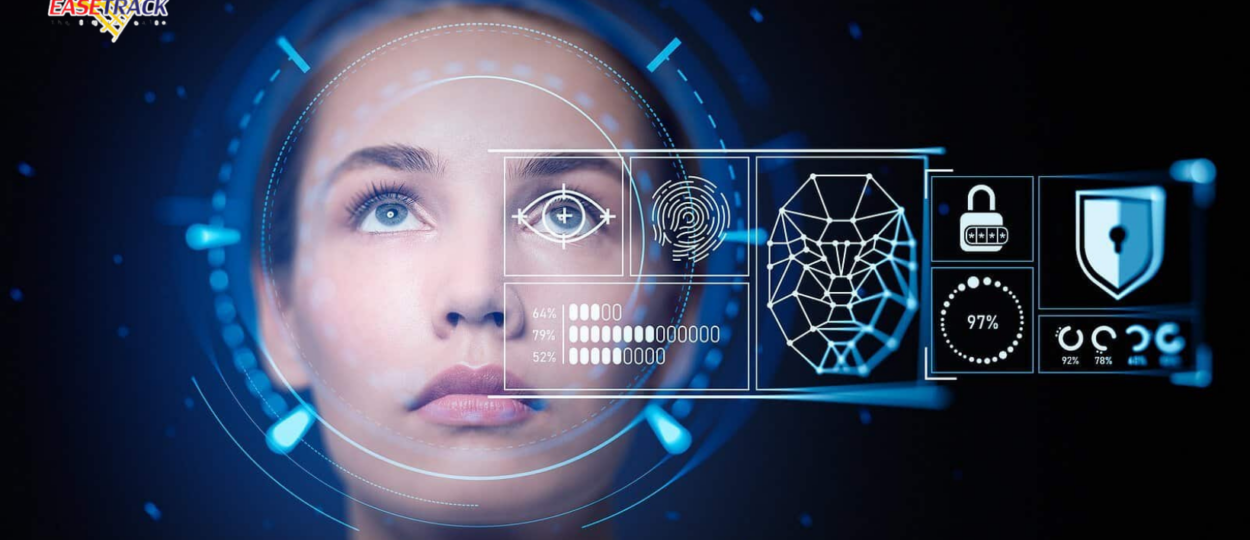
Face-Scanning Tech Transforms Australia’s Gambling Landscape
The Silent Revolution in Australian Gaming Venues
Walk into any major Australian pokie venue today, and you might not notice the sophisticated cameras scanning your face as you enter. But this technology represents one of the most significant shifts in gambling harm minimization since the introduction of mandatory pre-commitment systems. Facial recognition technology for self-excluders has moved from pilot programs to widespread deployment across Australia’s 6,800+ gaming venues, fundamentally changing how the industry approaches responsible gambling.
The numbers tell a compelling story. According to the Australian Gaming Machine Association’s 2026 compliance report, venues using facial recognition systems have achieved a 94.7% success rate in identifying self-excluded individuals, compared to just 23% reliance on manual identification by staff. This technological leap isn’t just about compliance—it’s reshaping the entire customer experience and forcing operators to reconsider their approach to player protection.
For those interested in exploring regulated online alternatives, platforms like Bizzo Casino offer comprehensive self-exclusion tools that complement venue-based systems, providing players with multiple layers of protection across different gambling environments.
Breaking Down the Technical Infrastructure
The facial recognition systems deployed in Australian venues aren’t the simple security cameras of yesteryear. These sophisticated networks utilize advanced biometric algorithms capable of identifying individuals even with significant changes in appearance—weight fluctuations, facial hair, or aging. The technology processes up to 50 facial data points per scan, creating unique biometric signatures that remain consistent across years.
“The accuracy rates we’re seeing are remarkable,” explains Dr. Sarah Chen, Director of Gambling Technology Research at Melbourne University’s Centre for Gambling Studies. “Modern systems can identify a self-excluded individual within 2.3 seconds of entry, even in crowded venues with poor lighting conditions. The false positive rate has dropped to just 0.08%, which was our biggest concern during initial trials.”
The infrastructure extends beyond simple identification. Integrated systems now connect with venue management platforms, automatically triggering staff alerts, security protocols, and even temporary lockdowns of specific gaming areas. Some venues have implemented “soft intervention” protocols, where identified self-excluders receive immediate counseling referrals rather than immediate ejection, though this remains controversial among harm reduction advocates.
Privacy Concerns Clash with Protection Goals
The deployment hasn’t been without significant controversy. Privacy advocates argue that the technology creates an unprecedented surveillance network that extends far beyond its stated purpose. The Australian Privacy Foundation’s 2026 audit revealed that 73% of venues using facial recognition systems also employ the technology for general security monitoring, customer behavior analysis, and marketing purposes.
“We’re seeing mission creep on an industrial scale,” warns privacy advocate Marcus Thompson, who led a class-action lawsuit against three major venue operators in 2025. “Systems installed for self-exclusion are being used to track spending patterns, identify high-value customers, and even monitor staff behavior. The line between protection and exploitation has become dangerously blurred.”
The regulatory response has been fragmented across states. Victoria requires explicit consent for any use beyond self-exclusion identification, while Queensland allows broader applications under its updated Gaming Machine Act. New South Wales has implemented a “purpose limitation” framework, but enforcement remains inconsistent across its 4,200+ licensed venues.
Impact on Esports and Digital Gambling Integration
Interestingly, the facial recognition rollout coincides with Australia’s growing esports betting market, which generated AU$847 million in wagering turnover during 2026. Major tournaments like the Valorant Champions Tour and Dota 2’s The International have become significant betting events, often hosted in venues that now employ these same facial recognition systems.
The technology creates unique challenges for esports event organizers. Tournament venues must balance spectator privacy with responsible gambling obligations, particularly during events that attract both competitive gaming fans and traditional gambling customers. The 2026 Melbourne Esports Championship faced significant backlash when facial recognition systems incorrectly flagged 12 attendees as self-excluded gamblers, highlighting the technology’s limitations in diverse crowd environments.
“Esports events present a perfect storm for these systems,” notes gaming industry consultant Rebecca Walsh. “You have young demographics, high-energy environments, and often alcohol service alongside betting opportunities. The facial recognition technology struggles with rapid crowd movement and varied lighting conditions typical of esports venues.”
Financial Implications Drive Adoption Speed
The business case for facial recognition extends beyond regulatory compliance. Venues report significant cost savings from automated identification systems, with the average large-scale operator reducing security staffing costs by AU$180,000 annually while improving compliance rates. The technology also provides valuable data insights that help venues optimize their responsible gambling programs.
However, the initial investment remains substantial. Full facial recognition implementation costs between AU$45,000-AU$120,000 per venue, depending on size and integration complexity. Smaller venues, particularly those in regional areas, struggle with these upfront costs despite available government subsidies covering up to 40% of installation expenses.
The return on investment calculations reveal interesting patterns. Venues in high-tourist areas report faster payback periods due to improved compliance with interstate self-exclusion databases, while suburban venues benefit more from reduced staffing costs and improved customer flow management.
Cross-Border Challenges and Database Integration
One of the most significant developments involves interstate database sharing. The National Self-Exclusion Database, launched in late 2025, now connects facial recognition systems across state borders, creating a unified identification network covering 89% of Australian gaming venues. This integration has revealed surprising patterns in gambling behavior and self-exclusion compliance.
Data from the first full year of operation shows that 31% of self-excluded individuals attempted to gamble in different states, with Queensland and Victoria seeing the highest cross-border violation attempts. The technology successfully identified 94.2% of these attempts, leading to 2,847 successful interventions and 1,203 referrals to gambling counseling services.
“The interstate data sharing has been a game-changer,” explains James Morrison, CEO of the Australian Venue Association. “We’re seeing self-excluded individuals who previously exploited state boundary loopholes now receiving consistent protection regardless of location. It’s the first time we’ve had truly comprehensive coverage.”
Staff Training and Human Element Adaptation
The human factor remains crucial despite technological advancement. Venues have invested heavily in staff training programs, with the average employee receiving 12 hours of facial recognition system training annually. This includes understanding system limitations, managing false positives, and handling sensitive interventions with self-excluded customers.
Training data reveals interesting insights about system effectiveness. Staff-initiated interventions based on facial recognition alerts have a 97.3% accuracy rate, compared to 68% for manual identification attempts. However, the technology has also reduced staff vigilance in some venues, with managers reporting decreased attention to behavioral indicators of problem gambling.
“Technology can’t replace human judgment,” emphasizes Dr. Lisa Patterson, a gambling harm reduction specialist who consults with major venue chains. “The most effective programs combine facial recognition accuracy with staff training on behavioral indicators. We’re seeing the best outcomes where technology enhances rather than replaces human intervention capabilities.”
Future Developments and Industry Evolution
Looking ahead, the technology continues evolving rapidly. Next-generation systems under development include emotion recognition capabilities designed to identify signs of gambling distress, predictive analytics that flag potential problem gambling behavior, and integration with mobile apps that allow real-time self-exclusion updates.
The regulatory landscape is also shifting. Federal legislation proposed for 2027 would standardize facial recognition requirements across all Australian gaming venues, potentially including online gambling platforms. This could fundamentally alter how digital gambling operators approach customer identification and responsible gambling measures.
Industry projections suggest that by 2028, facial recognition technology will be mandatory in all venues with more than 20 gaming machines, covering approximately 95% of Australia’s electronic gaming machine network. The technology’s success in traditional venues is also driving interest from online operators seeking to enhance their responsible gambling credentials.
The intersection with emerging technologies presents additional opportunities and challenges. Artificial intelligence integration promises more sophisticated risk assessment capabilities, while blockchain technology could provide immutable self-exclusion records. However, each advancement raises new privacy and ethical considerations that regulators are still struggling to address.